
A Look Inside the Schoolhouse
Warm sunshine and a few brisk breezes moved through the Heartland this week, and many families took advantage of the pleasant stretch of upper 70’s to get back into their gardens. After the cool spell last weekend, the return of Spring warmth felt like a gift. It is the kind of weather that brings people outdoors, encourages early planting, and reminds everyone that Summer is not far away. As the Seasons turn, the school year continues to move along, and this week we are sharing another part of our series on Amish schooling and education.
One-room schoolhouses remain a familiar sight in many Amish communities. They are simple buildings, usually set on a quiet gravel road, with a large playground, a woodshed, and a steady flow of children arriving by foot, buggy, or pony cart. Inside these schools, the days are shaped by a mix of structure, tradition, and the natural flow of learning that happens when eight grades share the same space.
Most Amish schools have between twenty and thirty students. All eight grades are taught in the same room, though lessons are usually given to each grade separately. This creates a steady hum of activity as the teacher moves from one group to the next. Older students often finish their work sooner, and when they do, they are sometimes given the privilege of helping younger ones. They might take a small group to the basement for flash card practice, which can get lively at times. These moments are more than simple review sessions. They help build confidence in older students and give younger students a chance to learn from someone they admire.
One of the quiet benefits of a one-room schoolhouse is the way students learn simply by listening. Younger children hear the reading lessons of the older grades and begin to pick up proper pronunciation and expression. Older students notice how the younger ones read aloud and hope to set a good example. This natural overlap helps everyone grow. It also gives students a head start on the next year’s lessons, since they have already heard much of the material before they ever sit down to study it themselves.
The classroom itself is arranged with purpose. The teacher’s large desk and the class tables sit near the blackboard, and the scholars’ desks are lined up in rows facing the front. Students who are easily distracted or known for mischief are often placed near the teacher so she can keep an eye on them. It is a simple system, but it works. The teacher knows each child well and adjusts the room as needed to keep the day running smoothly.
Quiet moments do happen, though they are often brief. One favorite method used by teachers is the pin drop test. When the room grows too noisy, the teacher will say, “Let us see who can hear the pin drop.” The room settles, the children lean in, and she drops a pin behind her desk. For a moment, everything is still. Then the day continues.
The noisiest moments are easy to imagine. When the teacher dismisses the class, the room bursts into motion as everyone rushes for the door. Lunchtime brings its own cheerful clatter as dozens of lunchbox lids snap open at once. These sounds are part of the charm of a one-room schoolhouse. They mark the passing of the day and the shared experience of growing up together.
Teachers keep students engaged in many ways. Bookworms stay busy on their own, while those who struggle often work steadily through their lessons. In some schools, children are allowed to use playdough or beads during certain parts of the day, and girls may knit quietly at their desks. These small freedoms help students stay focused and give their hands something to do while their minds work through new ideas.
Some of the most memorable moments involve the whole room. Hot lunches brought in by parents are always a highlight. These meals bring everyone together and add a sense of celebration to an ordinary school day. Friendships form easily in this setting, since children of all ages learn side by side. Younger students look up to older students, and older students feel a sense of responsibility toward younger students. It creates a natural community within the classroom.
What makes each school feel unique often comes down to the teacher. A teacher who treats everyone fairly, encourages kindness, and maintains steady order leaves a lasting impression. Many adults look back on their school days with fondness because of the care and consistency shown by a favorite teacher.
Stories from Our Amish Basket Weavers
Here are a few of the most notable moments from the families who weave the beautiful baskets featured on AmishBaskets.com, shared with us this week.
The Mast Family
Rosa and her older daughters spent Wednesday at a quilting hosted in one of the nearby homes. The quilt they worked on had been pieced together over the Winter and will be sold to help cover hospital bills for a baby born prematurely in a neighboring community. The woman who pieced it has completed several tops this year, so there have been a few quilting days lately as different groups of ladies take turns helping. They enjoyed a generous potluck lunch of ham and potato casserole (recipe below), noodles, pizza, cottage cheese, and cherry tapioca with apples. When Rosa and her daughters left, the quilt was halfway finished, and another quilting is planned for next week to complete it.
The Swarey Family
The Swarey children have had quite a week of excitement as a paved road near their home is being torn up, milled, and recycled to create new road material. Each afternoon after school they sit at a safe distance to watch the large machines at work. They have been especially fascinated by the milling machine that grinds away the top layer of pavement before the road is swept clean and prepared for fresh asphalt. A paver follows behind to lay the new surface, and gravel is added to the shoulders. The children have enjoyed seeing how quickly the crews work and how the modern equipment reduces the need for extra labor. It has been a small adventure for them to watch the progress day by day.
"Be somebody who makes everybody feel like a somebody."
- Amish Wisdom Overheard in the Community
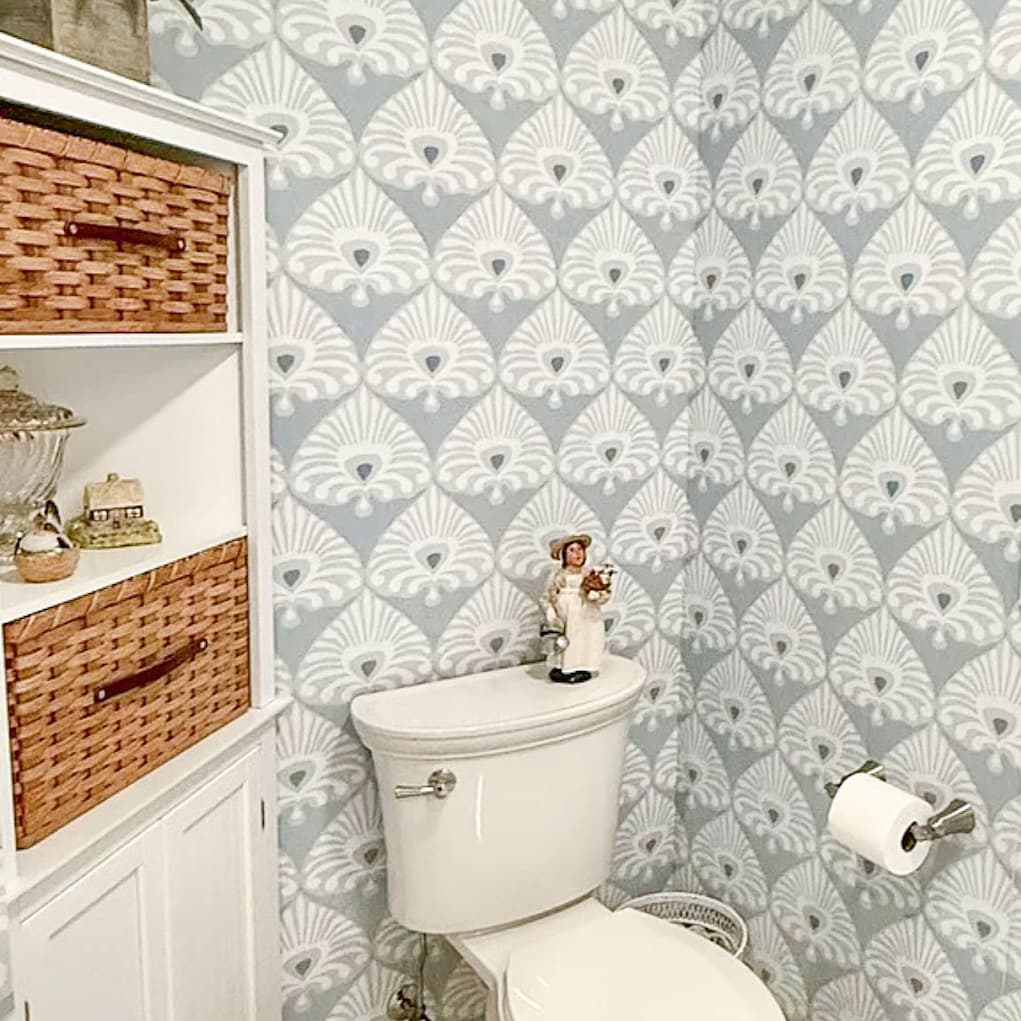
Handwoven by Amish Families
Triangle Shaped Baskets
“Excellent baskets - Baskets were perfectly made and fit exactly right in a corner cabinet that I purchased. They arrived ahead of schedule.”
- Laura D. (Verified Buyer)