
Garden Design and Companion Planting
As Spring continues to bloom here in the Heartland, the Amish community is savoring the beauty of longer days and fertile soil. Gardening is not only a vital part of their daily lives, but it also reflects generations of wisdom that blend practicality with nature's harmony. In this final installment of our Amish gardening series, we're exploring the art of companion planting and thoughtful garden design, practices that have been refined over decades to ensure both productivity and beauty.
One of the most fascinating aspects of Amish gardening is their use of companion planting to create natural defenses against pests. For instance, marigolds are often planted alongside green beans to deter insects, while radishes are interspersed with viney crops like squash as a shield against squash bugs. A particularly charming tradition is the way radishes are left unharvested in some parts of the garden, allowing them to go to seed. The seeds then fall naturally, sowing themselves for a spontaneous Fall crop that's ready for the table later in the year. It's a beautiful example of how the Amish embrace nature's cycles to reduce waste and increase efficiency.
Beyond pest control, Amish gardeners use companion planting to maximize space and improve crop quality. Viney crops such as pumpkins or cucumbers are often planted on either side of corn rows, letting the vines sprawl among the corn plants without encroaching on other crops like beans. This efficient layout allows them to make the most of their garden space while avoiding competition between incompatible plants. There's even a saying among the Amish that highlights this knowledge: "Potatoes love tomatoes, but they hate cucumbers." These insights, passed down through generations, underscore the deep connection between plants and the care that goes into their placement.
Flowers aren't just an aesthetic addition to Amish gardens, they serve a functional role as well. Marigolds and zinnias, often planted around the borders, help deter pests while adding vibrant beauty to the space. Pathways are carefully laid out between straight rows of crops, with some left wide enough to accommodate a tiller or cultivator, depending on the tools the family plans to use that year. When time allows, families might even construct trellises or stakes for climbing plants, further enhancing both the garden's productivity and its visual charm.
Garden design extends beyond plant placement to include crop rotation, a cornerstone of Amish soil care. By rotating crops annually, they maintain soil fertility and reduce the risk of disease, ensuring each planting season is as bountiful as the last. Shade is managed creatively as well, with corn planted beside shade-loving crops that benefit from its natural cover. These thoughtful arrangements demonstrate a profound respect for the land and the delicate balance required to nurture it.
Stories from Our Amish Basket Weavers
Here are a few happenings the families dedicated to weaving the beautiful baskets featured on AmishBaskets.com have shared with us this week.
The Mast Family
The Mast family's school district celebrated a special day this week, honoring all the Spring birthdays in March, April, and May. It was a joyous occasion for the scholars, who were treated to a fun-filled lunch of pizza, ice cream, and chips courtesy of their teacher. The highlight of the day was a stunning three-tier birthday cake lovingly prepared by Ruby Detweiler, known for her intricate basket-weave designs on wedding cakes. To add even more excitement, the teacher introduced a "Spring Boredom Breaker Box" packed with small treasures like pencils, rulers, and erasers. High-achieving students scoring in the 90s were rewarded with a pick from the box, adding motivation and a touch of excitement to the classroom.
The Yoder Family
The Yoder household has returned to a sense of calm after the bustling activity of the wedding. With the help of family and witnesses, the mess was tidied, borrowed items like stoves, dishes, and tables were returned, and the benches for church services were loaded onto the bench wagon and delivered to their next destination. The newlyweds are now packing up for their move to Southern Missouri, where the husband's family runs a busy sawmill. After all the excitement, the family has finally had the chance to relax, even sleeping in on a couple of mornings this week. There's a palpable sense of relief and gratitude for the quiet moments after hosting such a grand celebration.
The Gingerich Family
Wednesday brought a delightful "Ladies' Day" at a neighbor's home for the women in the Gingerich family's district. Each woman brought along her own work, creating a hum of productivity as they chatted and shared laughs. The variety of tasks was a testament to their creativity: quilt binding, piecing quilts, sewing buttons onto freshly stitched clothes, cross-stitching, knitting, and even basket weaving. Some worked on cracking hickory nuts, while others stamped handmade cards. Lunch was a delectable potluck with a sourdough theme featuring pizza, breadsticks, breakfast pizza, and stromboli. For beginners, sourdough starters were passed around, encouraging everyone to try this traditional baking method. The fellowship and shared traditions made it a day to remember.
"The trouble with trying to keep up with gossip is that you don't know what's cooking until it boils over."
Amish Wisdom
Handwoven by Amish Families
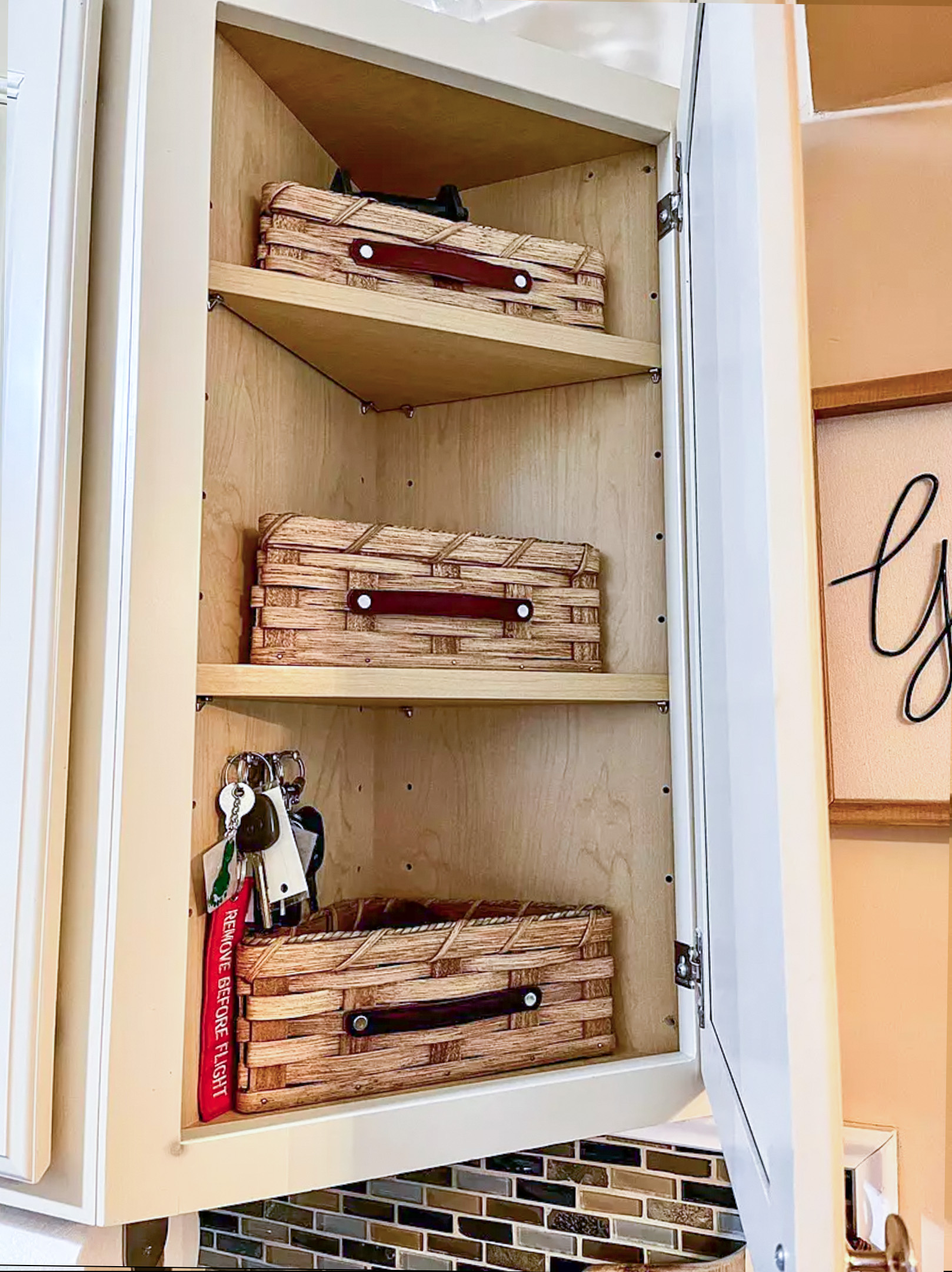
Triangle Shaped Baskets
“Completely in love with my baskets! The quality, craftsmanship and attention to detail is like no other and they fit perfectly in the space. Not to mention the personalized note that came with the order. So thankful to the Yoder family for these baskets! I’m planning on ordering more.”
- Carla S (Verified Buyer)