
Auctions, Markets & Outings
As October settles in here in the Heartland, the air has turned cooler and the trees are beginning to show their Autumn colors. Scattered showers have freshened the fields and gardens, and there is a sense of Fall in the air that feels both comforting and invigorating. With the holidays drawing closer, it is a fitting time to reflect on the ways Amish families spend their leisure hours together. This week, in part six of our series on Amish leisure and visiting, we turn our attention to auctions, markets, and local outings. Gatherings that are both practical and deeply social.
For the Amish, auctions are first and foremost about business. Produce auctions and livestock sales are essential to the local economy, providing a place where farmers can sell their goods and buyers can find what they need. Yet anyone who has attended one knows that these events are about more than transactions. They are also about people. One Amish woman recalled her very first auction as a child, a moving sale where her friend tearfully said goodbye. What stayed with her was not only the emotion of the moment but also the excitement of the auctioneer's chant, a sound that still echoes through barns and sale yards today.
Most Amish families arrive at an auction with a plan. They know what they need and what they can spend, and they seldom bid on a whim. Still, surprises happen. One man recalled the day a Maytag wringer washer sold for $100 before he could get his bid in. Others recall the spirited atmosphere of horse sales, where the crowd's energy could sometimes become overly aggressive. Even so, these sales remain a cornerstone of Amish life, strengthening both the economy and the bonds of trust among neighbors.
Produce auctions, especially in the Summer, are a highlight for many. The sight of heirloom tomatoes so large they can cover a slice of bread always sparks conversation. Homemade jams, baskets of sweet corn, and jars of pickles draw eager bidders. For those who sell their own goods, there is satisfaction in seeing their produce appreciated and fetching a good price. These auctions are not only about commerce but also about pride in the work of one's hands and the bounty of the land.
Markets and auctions also serve as social outings. Even if a family has no intention of buying or selling, they may attend simply to be part of the gathering. Women often help prepare food for the crowds, and friends sometimes travel together to share expenses or stop at a favorite store along the way. These trips are a chance to catch up on news, exchange stories, and connect with Amish from other districts. As one English observer put it, stepping into an Amish auction feels like stepping back in time, where the pace is slower and the sense of community is stronger.
Over the years, many auctions have grown larger, with multiple rings running at once, and we have also seen an increase in school benefit auctions. These benefit sales are especially meaningful, as they raise funds for Amish schools and medical needs, drawing both Amish and non-Amish neighbors together. Although younger families may not attend as often due to their busy schedules with children and household responsibilities, the tradition remains an important part of Amish life. Some auctions are remembered fondly for their history or location, like the horse auction where one Amish mother recalled buying a pony for her daughter, a memory that still brings a smile.
As we reflect on these gatherings, it becomes clear that auctions and markets are more than errands. They are touchstones of Amish culture, blending necessity with fellowship. They remind us that even in the midst of business, there is room for connection, laughter, and shared experience.
Stories from Our Amish Basket Weavers
Here are a few happenings the families dedicated to weaving the beautiful baskets featured on AmishBaskets.com have shared with us this week.
The Borntrager Family
Alton and Dorothy Borntrager traveled north to Minnesota this week to attend a funeral, joining family members from six different Amish communities. They rode together in a 38‑passenger bus, and by the time they arrived, more than 400 people had gathered to pay their respects. On the way there, Alton realized he had misplaced his billfold after a stop for food and fuel. Calls to the station turned up nothing, and he assumed it was gone for good. But on the return trip, the cashier recognized his name and handed it back, every dollar and slip of paper still inside. Alton offered a reward, but she refused with a smile. It was a simple reminder that honest people still abound in this world.
The Yoder Family
The Yoder children had quite an adventure on their way to school this week. Two of their daughters set out for school earlier this week in their pony cart, but before long, the backhold came loose and their pony bolted. The cart careened down the road, completely out of control, until the pony veered sharply by a pole barn. The girls were thrown into the ditch while the pony kept running. Thankfully, they escaped serious injury, though they were sore enough to stay home from school for several days. By the end of the week, they have recovered well and are looking forward to returning to class. For now, they will ride with their brothers in the family buggy until they regain their confidence. The family is grateful the mishap ended with only a story to tell and not lasting harm.
"It is not joy that makes us grateful. It is gratitude that makes us joyful."
Amish Wisdom
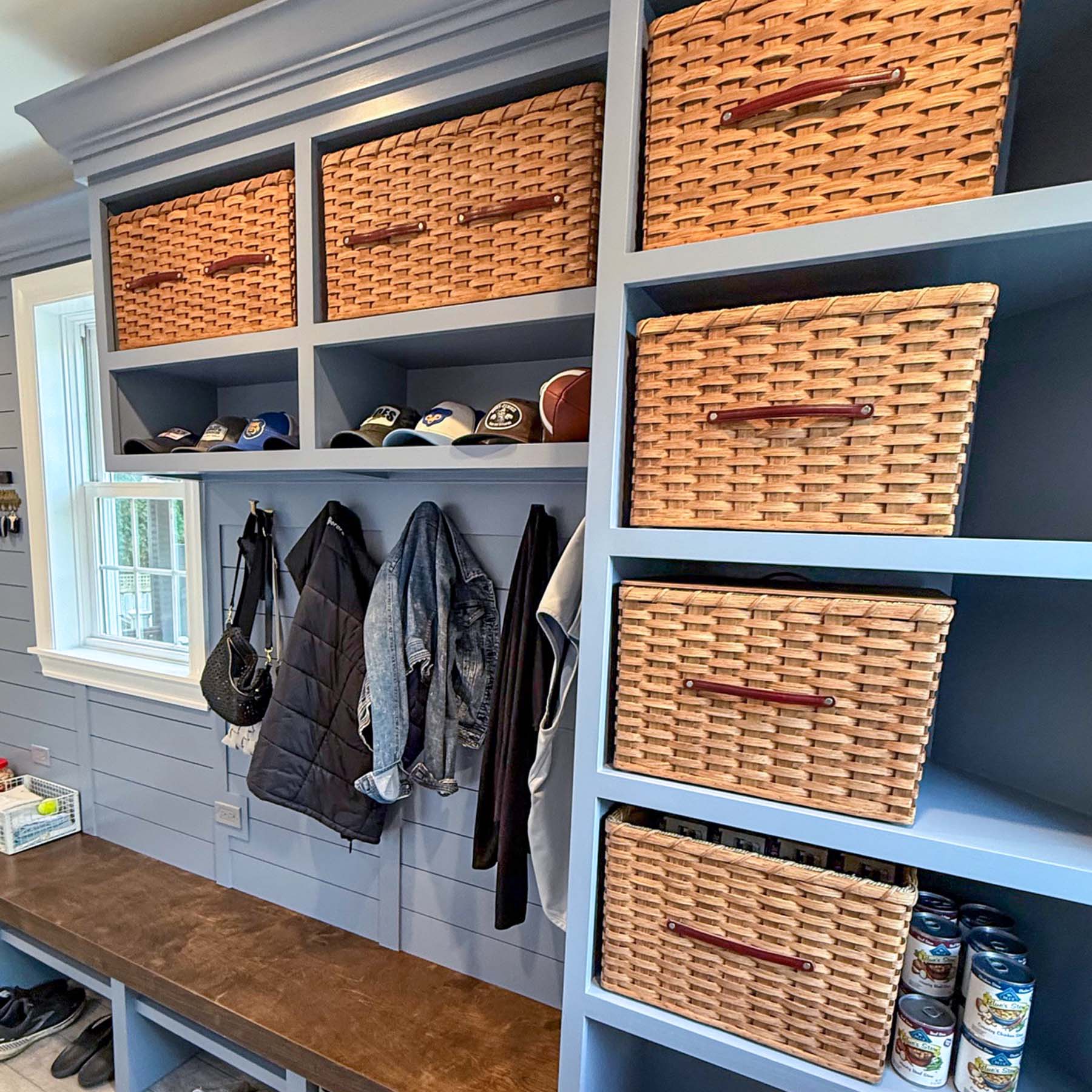
Handwoven by Amish Families
Rectangular Wicker Baskets
“We received the baskets today. Thank you! Very nice addition to our new mudroom built in.”
- Erik K (Verified Buyer)