
Amish Funerals and Beliefs - Part 2…
We hope this newsletter finds you well and warm during these chilly January days. Last week, we began a two-part series on the Amish community's views and traditions surrounding death and funerals. The recent large funeral in a neighboring community highlighted the depth of these traditions, and we are eager to continue sharing this with you.
In the Amish community, the concept of death is closely tied to their daily lives and decisions. The Amish often reflect on the four last things: death, judgment, hell, and heaven. Death is viewed as a certainty, judgment as something to be feared, hell as unbearable, and heaven as the ultimate joy. This perspective encourages them to live a life of true godliness and shun innumerable sins.
Funerals in the Amish community are marked by simplicity and deep communal involvement. One of the remarkable aspects is the strong sense of support provided by the community. During and after the funeral, families receive an outpouring of help in the form of food, meals, and prayers. This communal support is vital in helping the bereaved cope with their loss.
Amish funerals also involve specific hymns and prayers, with many recorded in the book "Our Heritage, Hope and Faith." The hymn "Good Night, My Loved Ones" is often sung at the graveyard, providing comfort and solace to those in mourning.
There are some small differences in funeral practices among various Amish orders, but the core principles remain the same. The emphasis is always on community support, simplicity, and deep faith.
As we mentioned in last week's newsletter, the typical timeline from death to burial is usually three to four days. The deceased is washed, dressed in clean clothes, and prepared for burial either by the family or the funeral home. Church leaders play an essential role in leading the funeral service, offering sermons, and guiding the community in worship.
Cemeteries and gravesites are maintained with great care by the community. The responsibility for upkeep is shared among members, ensuring that the final resting places of loved ones are well-tended and respected. The gravestones are simple, often inscribed with "In Loving Memory of:" and the name and dates of the deceased.
One interesting aspect is the practice of holding funeral services in larger shop buildings within the community, rather than in a church. This tradition emphasizes the importance of family and home within the Amish way of life, while accommodating the large number of community members who come to pay their respects.
Another unique tradition is the use of simple, unadorned caskets. These plain wooden caskets reflect the Amish values of humility and simplicity. The deceased is often dressed in traditional Amish clothing, with men wearing white shirts and pants, and women in white dresses and aprons. This attire symbolizes purity and the belief in resurrection and eternal life.
Teaching children about death and funerals is an integral part of Amish life. They learn through real-life experiences, attending funerals, and the teachings at church and home. This early exposure helps them understand and accept death as a natural part of life.
Stories from Our Amish Basket Weavers
Here are a few happenings the families dedicated to weaving the beautiful baskets featured on AmishBaskets.com have shared with us this week.
The Mast Family
This week, the Mast men and boys dedicated two afternoons to moving a large seasoned wood pile from a neighboring farm. The farm had been sold, and the wood was generously designated to be donated to a middle-aged widow in a nearby district. With a 16-foot trailer in tow, they set to work, only to discover several large logs hidden at the bottom of the pile. This unexpected find required splitting most of the wood on-site. Their hard work paid off when they were rewarded with two freshly baked cherry pies, a sweet token of gratitude for their efforts.
The Yoder Family
Inspired by the Gingerich family's ice freezing project, the Yoder family devised their own innovative solution for creating ice. They constructed a 16' x 28' ice form using 2"x10" joists and plywood, lined with plastic, and filled it to the brim with water. Once frozen, they cut the ice into square blocks with a chainsaw. This method allowed them to freeze the ice right next to the ice house, eliminating the need for horses and double handling. However, one seasoned community member expressed skepticism, noting that rural water might not freeze as "hard" and could potentially not last through the summer. Time will tell if the ice experiments prove successful.
The Gingerich Family
The Gingerich family had an eventful weekend, starting with a neighborhood skating party last Saturday. Twenty-six men and boys gathered on a farm pond for an exhilarating game of hockey. During the game, one of the Gingerich grandchildren was guarding the goal when a puck came flying in with such force that it shattered the front toe of his skate into pieces. Fortunately, this week he received a brand new pair of ice skates, ensuring his toes stay warm and protected for future games. With his new skates, he's ready to hit the ice again and enjoy many more hockey matches with friends and family.
"A smile takes only a moment, but the memory of it lasts forever."
Amish Wisdom
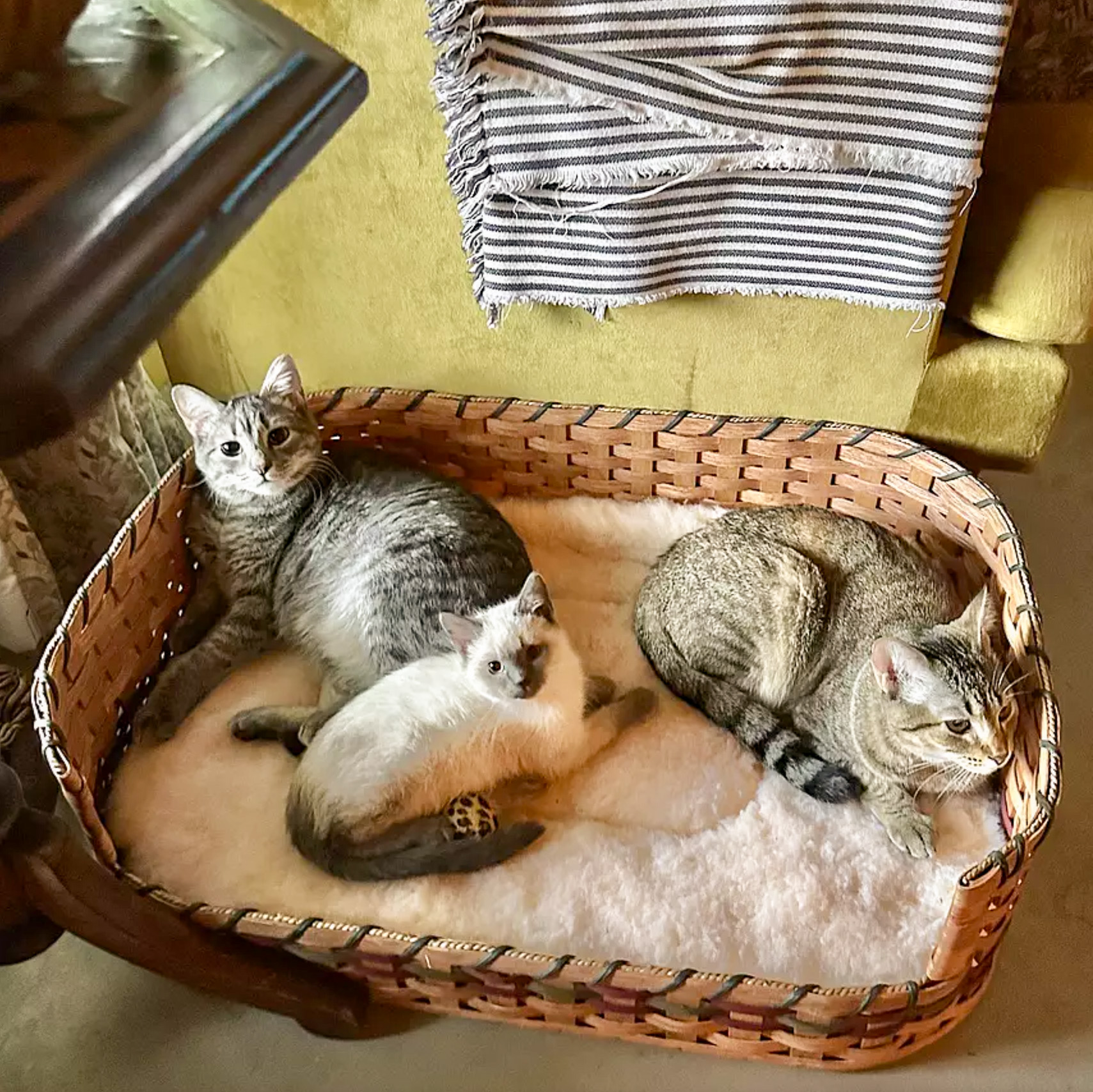
Handwoven by Amish Families
Medium Wicker Dog Bed
“Exceeded expectations. Well-made and beautiful. Thank you so much.”
- Courtney M (Verified Buyer)